
On April 30, 2025, The Kabilin Center welcomed guests to an exclusive first look at its newest exhibition, “Around the Table: Haon sa Sugbuanong Lasa”—a thoughtful and immersive tribute to Cebuano culinary heritage.
Curated by Alyssa Selanova and presented by the Ramon Aboitiz Foundation, Inc. (RAFI), the exhibition explores the deeper meaning of food in Cebuano culture. More than just ingredients and recipes, the exhibit brings forward the stories, techniques, and traditions that define how Cebuanos gather, cook, and eat.
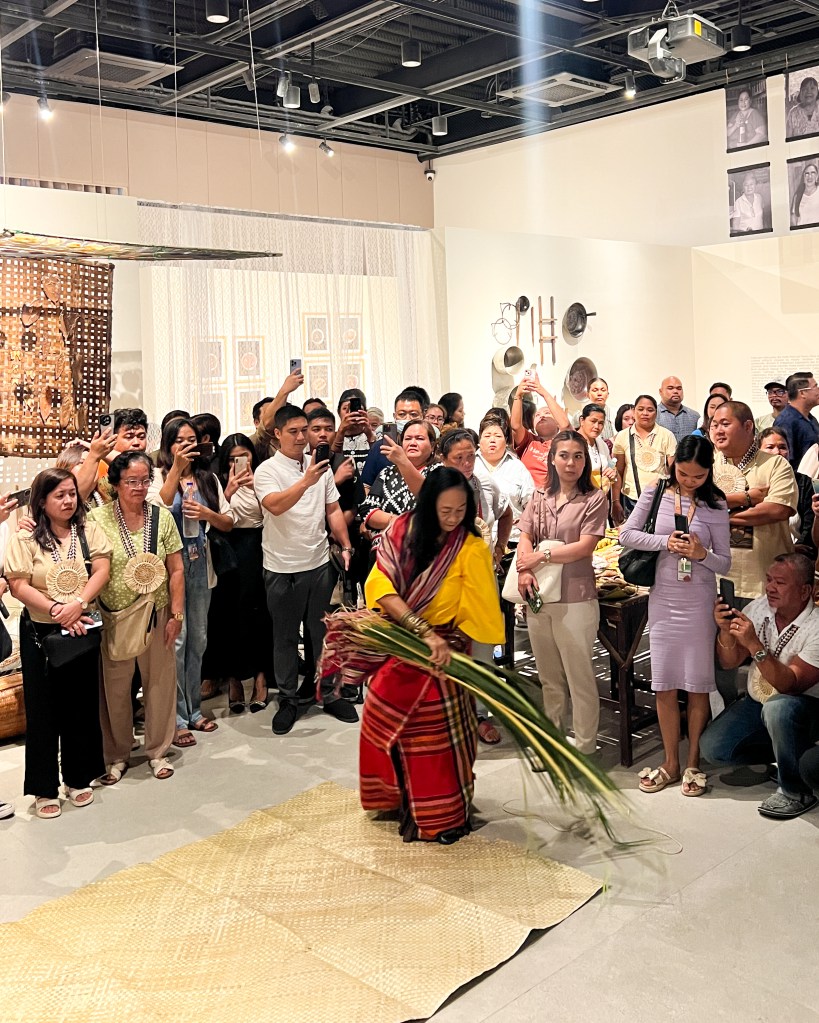
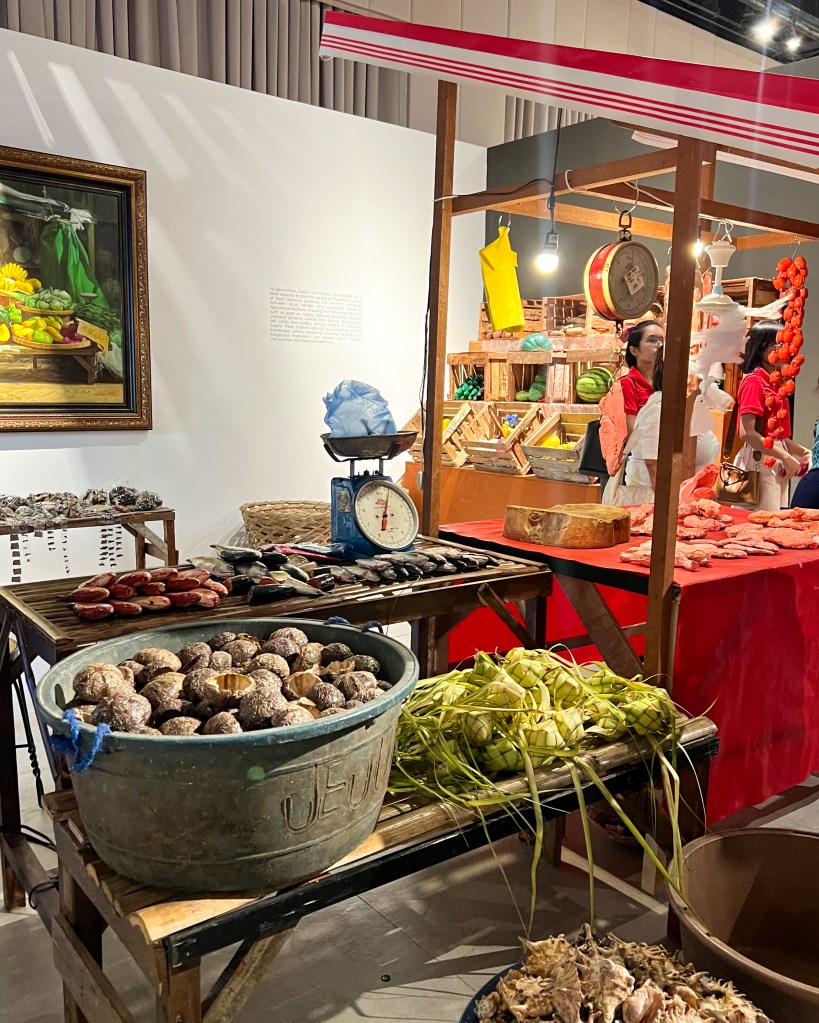
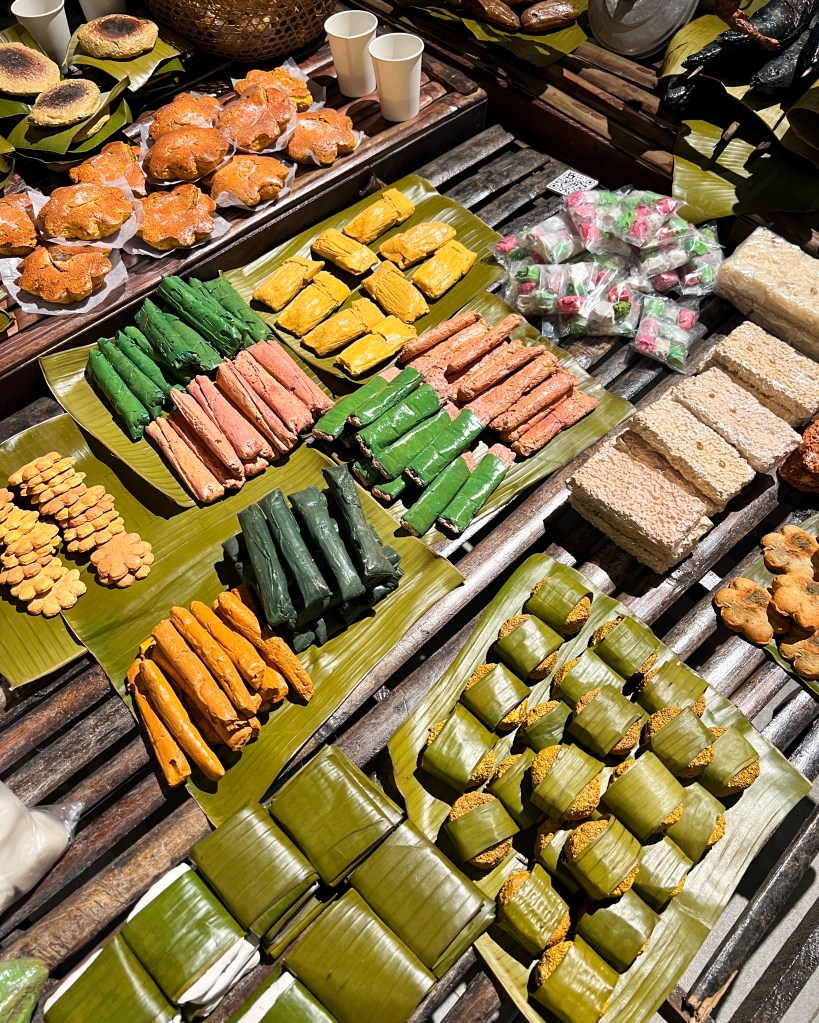
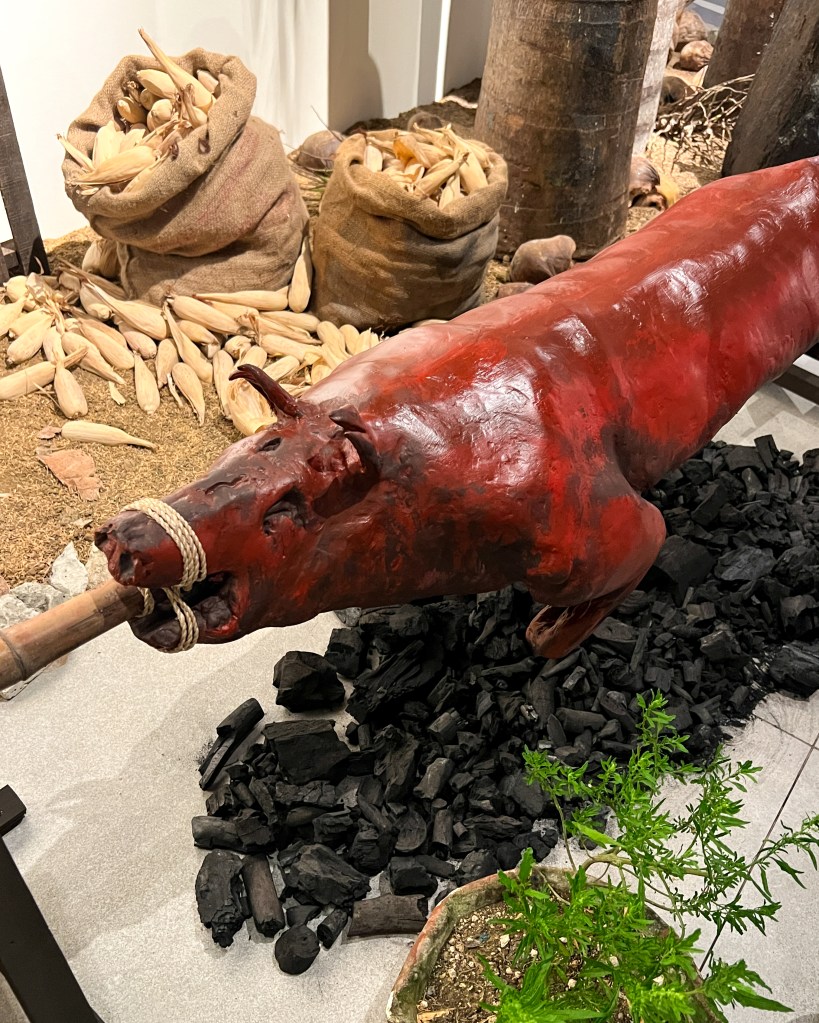
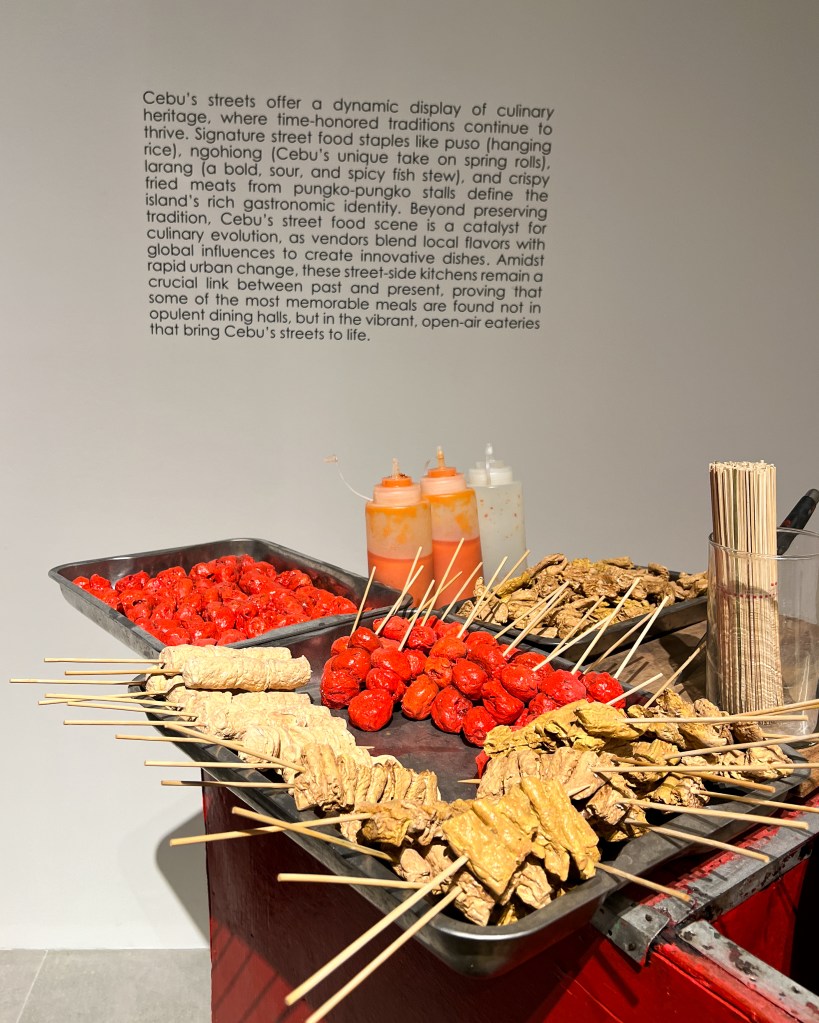
I was genuinely amazed by the exhibition’s displays. Walking into the space felt like entering the heart of a Cebuano kitchen—complete with the colors, textures, and aromas that many of us grew up with. From heirloom cookware to detailed dioramas of traditional dishes like Inasal na Baboy, native chicken soup, buwad, and various kakanin, every corner was a feast for the senses. What struck me most was how the stories behind these dishes were told—with authenticity, care, and respect for the communities that continue to preserve them.
The exhibit was made possible through the efforts of CEBloom Operations, whose researchers visited 20 towns across Cebu and interviewed 41 local food artisans. Each recipe showcased here comes with a story—sometimes passed down through generations, sometimes tied to specific rituals, and often reflective of Cebu’s resilience and creativity in the kitchen.
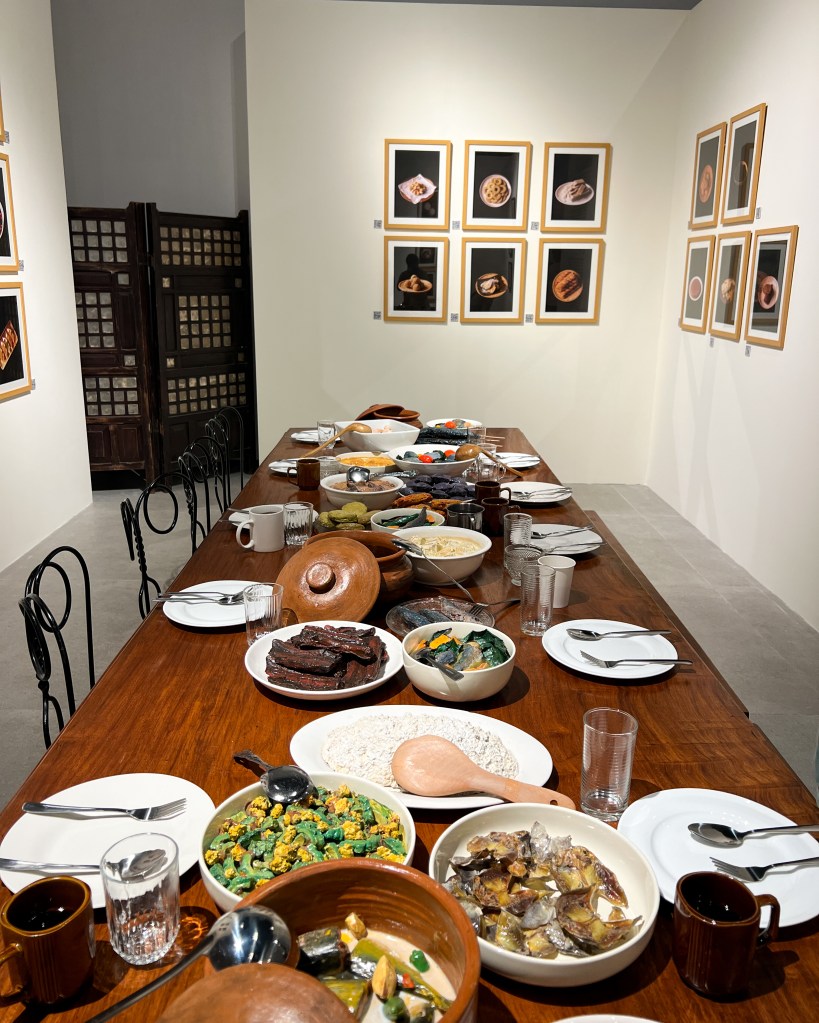
Haon sa Sugbuanong Lasa is more than just an exhibit—it’s a call to preserve what makes our cuisine unique, especially in today’s fast-paced and globalized food culture. It reminds us that food is a living heritage—one we must continue to share, protect, and celebrate.
The exhibition is now open to the public from May 1 to September 26, 2025, and runs Monday to Saturday, 9:00 AM to 5:00 PM at The Kabilin Center, located inside the RAFI Building along Eduardo Aboitiz Street in Cebu City. Entrance fee is ₱150.
For more updates and announcements, follow The Kabilin Center on Facebook. Gather around the table—and experience the taste, memory, and meaning of Sugbuanong lasa.4

